BOOKING
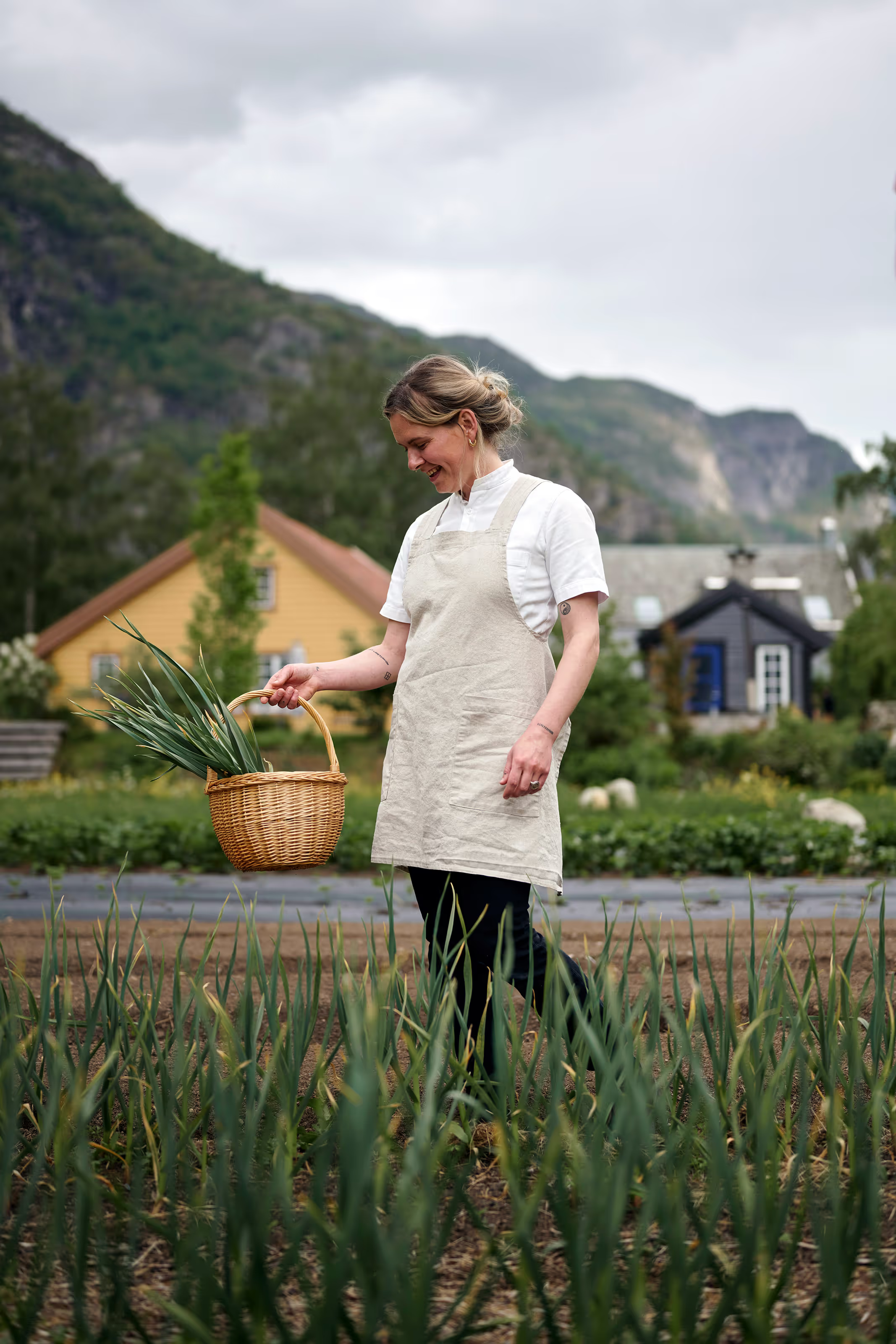
The garden at 292 Aurland offers a tranquil retreat that highlights the harmony between cultivated and wild environments. Visitors find meandering paths framed by local flora and vegetation that flourishes in this cool, pristine Norwegian climate. Fragrant wildflowers mingle with carefully selected plant species, creating a tapestry of shapes and colours that attract birds, bees, and other essential pollinators.


The sound of the river and waterfalls provide a soothing soundtrack, encouraging guests to linger, observe, and contemplate the surrounding beauty. In addition to its aesthetic appeal, the garden reflects a commitment to sustainable horticulture, blending seamlessly with the surrounding mountains and fjords, and honoring Aurland’s long tradition of living in balance with nature.




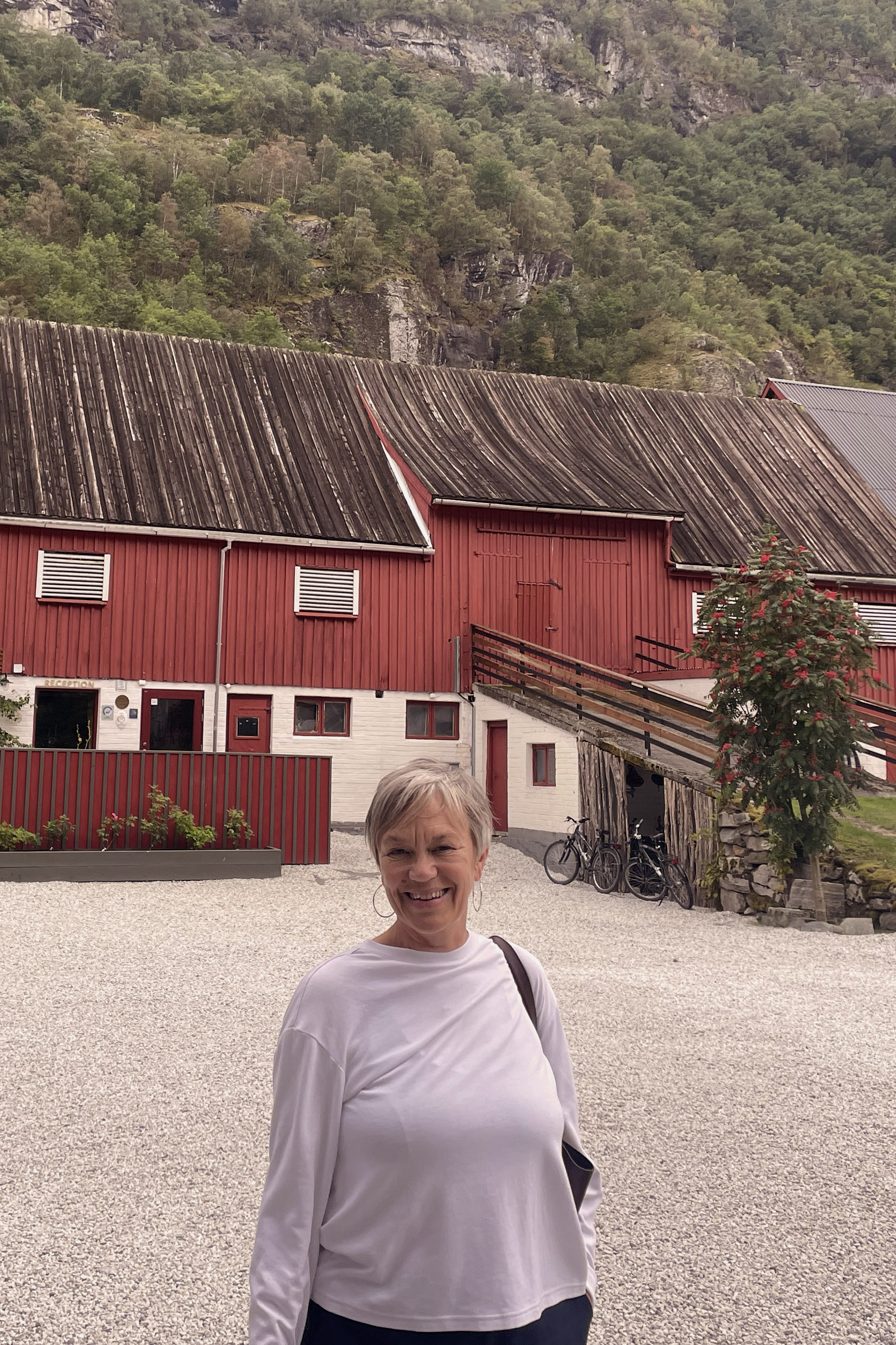
We invite you to wander and discover. Indoors and out, traces remain of artists who have lived here, alongside works we have collected from artists with roots in this landscape — the photographic artist Jens Hauge and the painter Knut Rumohr.
Over the years, we have welcomed artists in residence and given them carte blanche — time and freedom to respond, in their own way, after sensing the spirit of the place.
The Aurland River was once ranked among the three finest fly-fishing rivers in the world by the British “salmon lords” who travelled here to fish. Of those who spent the most time here were the Swedish Ekman family and the British Buxton family. All the black-and-white photographs found around the farm were donated by the Ekman family, while the watercolours in the Fiskehuset were painted by Teresa Buxton, who worked by the river while watching over her nieces and nephews.

The street artist Newton has left his mark here. Other artists in residence include Edith Lundebrekke, who created the colourful wooden installations on the barn, inspired by traditional Norwegian knitting patterns. Her work is an ode to historic Norwegian craftsmanship, reimagined in a contemporary expression. Edith has decorated numerous public buildings and represented Norway internationally at several biennials. Her work is also part of the National Gallery’s collection.
Kaja Dahl works primarily with stone and drew inspiration from the way nature here reveals itself in spirals — waterfalls, river, fjord — all winding outward toward the sea. She created the bench by the vegetable garden overlooking the waterfall, using materials she found on the farm.
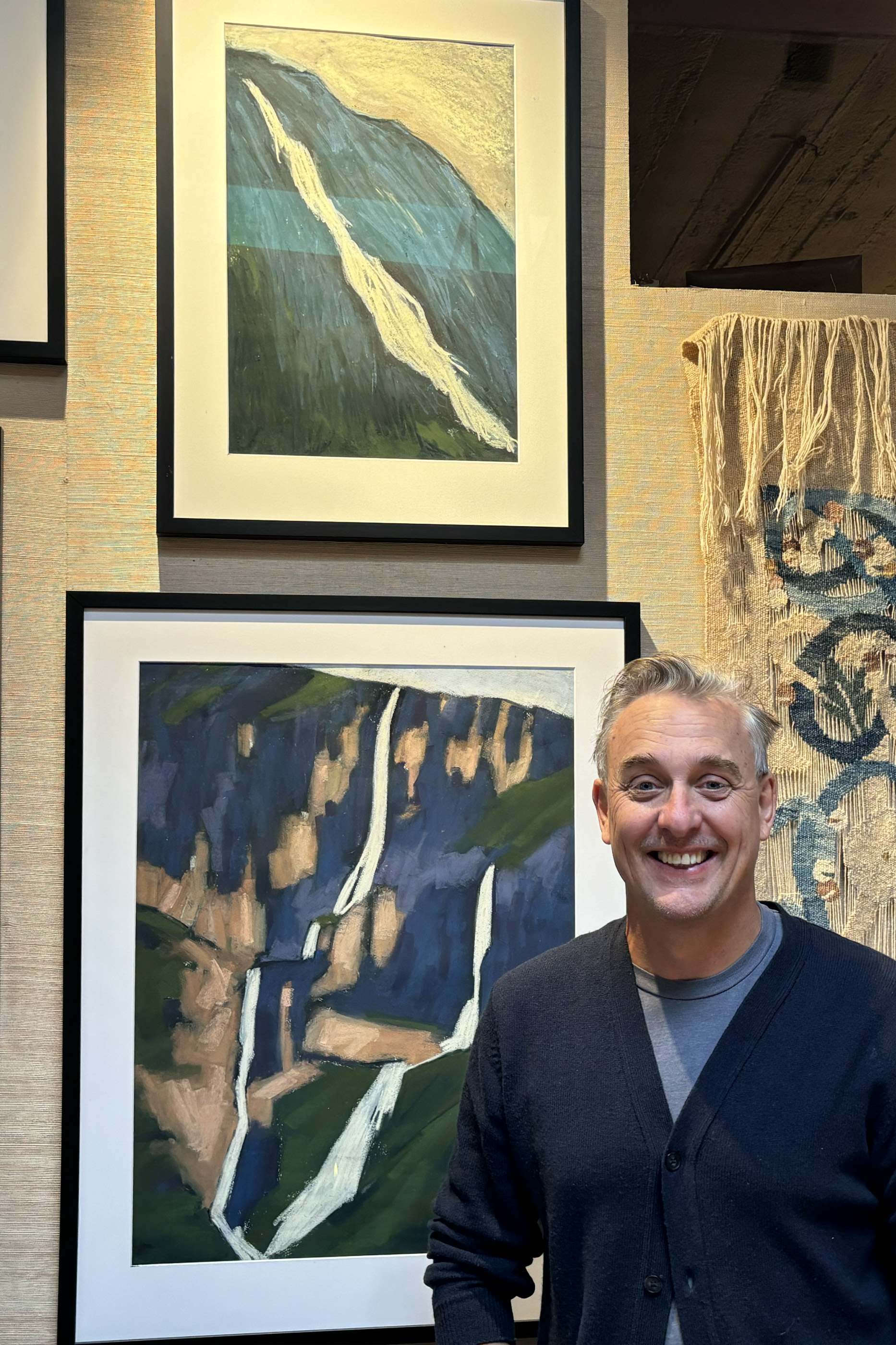
New Zealand–born Peter Force stayed with us and painted the pastel works on the restaurant walls, depicting the waterfalls that surround us. He travelled with his father-in-law, who was living with dementia, and for Peter the waterfalls became a metaphor — for memories that fade, for our own mortality, but also for the immense life force within us and in the natural world around us.
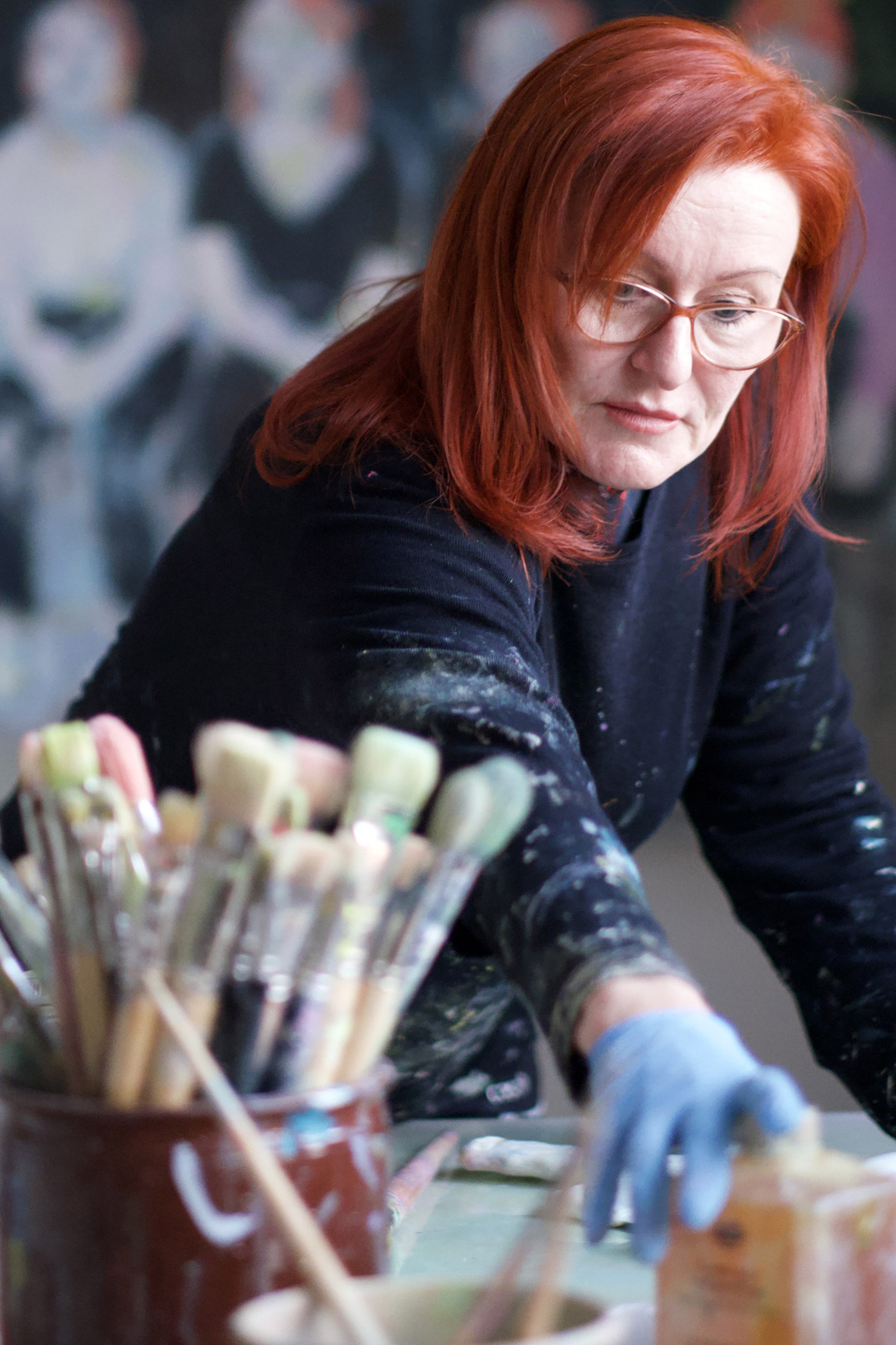
Bergen-based and richly expressive Lillian Presthus will be our artist in residence in the spring of 2026. Lillian has worked with photography and graphic art, experimented with light refracted through glass, yet it is painting — and the expressive power of colour — that stands at the core of her artistic practice.
So — go ahead. Explore.